
10yard
10 Yard Dumpster
- 14 ft long × 7.5 ft wide × 3.5 ft high
- about 3 pickup truck loads
- 1–2 tons included
Small cleanouts, single-room gut jobs, concrete and heavy debris, roofing up to about 15 squares.
See the 10 yardDumpster sizes
Five roll-off sizes, from a 10 yard heavy-material box to a 40 yard commercial container. Dimensions, capacity and included weight allowance for each — plus honest advice on which one your job, and your driveway, can actually take.
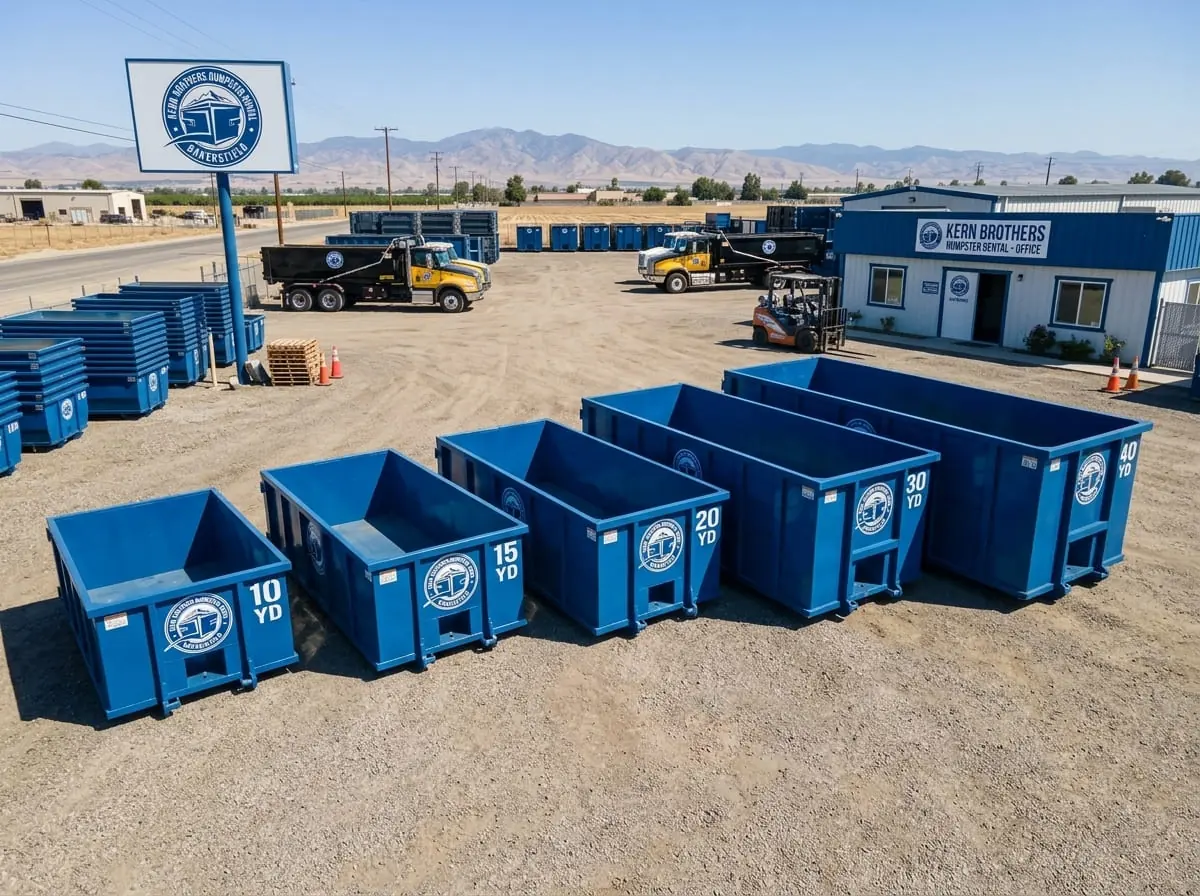
All five sizes
Weight fills a container long before volume does. That single fact decides most of these choices — the other is whether the size fits your driveway.
Small cleanouts, single-room gut jobs, concrete and heavy debris, roofing up to about 15 squares.
See the 10 yardGarage and basement cleanouts, kitchen remodels, medium roof tear-offs, yard waste and landscaping debris.
See the 15 yardWhole-home cleanouts, flooring and siding jobs, large tear-offs, drywall and remodel debris.
See the 20 yardFull gut renovations, new construction, estate clearances, commercial fit-outs and demolition.
See the 30 yardLarge commercial fit-outs, industrial clear-outs, major renovations and high-volume light debris.
See the 40 yardSide by side
Same flat pricing model across the range — delivery, the standard 7-day rental, pickup, disposal and a stated weight allowance in one number.
| Size | Dimensions | Capacity | Weight included | Best for |
|---|---|---|---|---|
| 10 Yard Dumpster | 14 ft long × 7.5 ft wide × 3.5 ft high | about 3 pickup truck loads | 1–2 tons | Small cleanouts, single-room gut jobs, concrete and heavy debris, roofing up to about 15 squares. |
| 15 Yard Dumpster | 16 ft long × 7.5 ft wide × 4.5 ft high | about 4–5 pickup truck loads | 2–3 tons | Garage and basement cleanouts, kitchen remodels, medium roof tear-offs, yard waste and landscaping debris. |
| 20 Yard Dumpster | 22 ft long × 7.5 ft wide × 4.5 ft high | about 6 pickup truck loads | 3–4 tons | Whole-home cleanouts, flooring and siding jobs, large tear-offs, drywall and remodel debris. |
| 30 Yard Dumpster | 22 ft long × 7.5 ft wide × 6 ft high | about 9 pickup truck loads | 4–5 tons | Full gut renovations, new construction, estate clearances, commercial fit-outs and demolition. |
| 40 Yard Dumpster | 22 ft long × 7.5 ft wide × 8 ft high | about 12 pickup truck loads | 5–6 tons | Large commercial fit-outs, industrial clear-outs, major renovations and high-volume light debris. |
The rule that decides it
Almost every sizing mistake comes from treating a dumpster as a volume problem when it is really a weight problem. Household clutter, furniture, packaging, insulation and framing offcuts are light for their bulk — those genuinely do fill the space first, and going one size up is the cheap insurance.
Flip it for anything dense. Concrete, dirt, brick and tile only belong in a 10 or 15 yard — put that kind of material in a bigger box and you will hit the weight allowance while it still looks two-thirds empty. Roofing tear-offs suit the same 10 or a 20 yard depending on the scope — our roofing sizing guide walks through which fits a given tear-off — and general construction or remodeling debris is the job for a 20, 30 or 40. Yard waste fits a 15 or 20 best; California's SB 1383 requires yard trimmings and other organic waste to be diverted from landfill disposal via organics recycling, so keeping it out of a mixed construction load as its own clean load is exactly what supports that diversion, and our local disposal guide covers where different material actually goes.
The second question in Bakersfield is placement, and it is a short one. Most properties here have a driveway, so most containers sit on private property with no permit required. Only a public street or sidewalk placement needs a City of Bakersfield Public Works permit, which we pull before delivery — our permit guide covers exactly when that applies and how Shafter, Wasco, Delano, Arvin, Lamont, McFarland and Tehachapi differ, and our full size guide works through the sizing math with real project examples.

What fits where
| Job | Usual size | Why |
|---|---|---|
| Concrete, dirt, brick or tile removal | 10 yard | Weight-limited by design. You will rarely fill it. |
| Single-room strip-out or small remodel | 10 yard | Small volume, often dense with tile and fixtures. |
| Small roofing tear-off (up to ~15 squares) | 10 yard | Roofing suits the 10 and the 20 specifically. |
| Garage or basement cleanout | 15 yard | High volume, fits a normal driveway with room to spare. |
| Kitchen remodel with cabinetry | 15 yard | Bulky but manageable once cabinets are broken down. |
| Yard waste or landscaping cleanup | 15 or 20 yard | Kept separate as a clean load, supporting SB 1383 organics diversion rather than a mixed construction load. |
| Larger roofing tear-off, two layers | 20 yard | Shingles are dense; a bigger box only adds unused space. |
| Whole-home cleanout | 20 yard | The default for mixed contents across a full house. |
| Construction or remodeling project | 20, 30 or 40 yard | Sized by phase — framing, drywall, fit-out, or full teardown. |
| Full gut renovation or new construction | 30 yard | Volume-driven; heavy debris still routes separately to a 10 or 15. |
| Estate clearance, full house | 30 yard | Attics, basements and full contents hold more than families expect once you start pulling it out. |
| Large commercial or industrial clear-out | 40 yard | Light, bulky, open placement — rarely the right call for a residential driveway. |
Talk to a real person
Describe the job in thirty seconds and we will tell you the container, the weight allowance and whether it needs to be a 10 or a 15 for heavy material — including whether the driveway alone is enough or a City of Bakersfield Public Works permit is genuinely needed.
Mon–Sat 7:00am – 6:00pm
Answers
Start with the material, not the size of the job. Light, bulky debris — furniture, boxes, packaging, framing offcuts — fills volume first, so go one size up. Anything dense — concrete, dirt, brick, tile, shingles — hits the weight allowance while the box still looks half empty, so go smaller and, for genuinely heavy material, stick to a 10 or 15 no matter how big the job feels. Describe the pile on the phone and we will size it.
Call and we will swap it — an empty container comes out and the full one goes back on the same visit. If it turns out too big, you have simply paid for space you did not use, which is why we would rather size it properly on the first call. Neither is a disaster, but the swap is the cheaper mistake.
Roughly 15 to 20 feet of length for a 10 or 15 yard and about 25 feet for a 20, 30 or 40, plus around 10 feet of width so the rear doors can swing. Almost every Bakersfield delivery lands on a private driveway — we confirm the exact spot with you before the truck rolls.
Yes, but not proportionally, and this is where overage risk comes from. Each size carries a stated weight allowance in the flat rate, and doubling the volume does not double the tonnage. A 40 yard packed with dense material will blow past its allowance long before it looks full — which is exactly why heavy debris like concrete, dirt, brick and tile is capped at a 10 or 15 in the first place.
Not if it sits on your own property — a driveway, yard or private lot, which covers the vast majority of deliveries we make. A permit is only required if the container has to sit on a public street or sidewalk instead, and inside Bakersfield that goes through the City of Bakersfield Public Works, which we handle for you before delivery. Shafter, Wasco, Delano, Arvin, Lamont, McFarland and Tehachapi each run their own city permit process rather than the City of Bakersfield's, so if your job is in one of those towns we confirm the right office before the truck rolls.
Delivery area
We run dumpsters out of our 150 Hayden Ct yard across every corner of Bakersfield and out into Kern County. If your community is not on this list, call us anyway. We probably still get there.